How do you conduct a disability assessment relevant to age?
Start with a profile of the person.
At this point, what are the reasons for the consultation?
Hello, my name is Dr. Asif Qureshi.
How can I help you?
At this point, what are the reasons for the consultation?
Tell me more.
Tell me about yourself.
Who all will be in regular communications with me and what are their expectations?
_____________________________________________________
What is the name, date of birth, mailing address, and profile of the individual whose disability has to be determined?
_____________________________________________________
How do I identify the person?
_____________________________________________________
What identification mark(s) does the person have?
_____________________________________________________
These include features such as birthmarks, moles, body piercings, tattoos, and scars. Body marks can be characteristic of an individual and can be used to support an identification, in conjunction with medical or police records and with identification given by family members.
How was the identification accomplished in this case?
_____________________________________________________
Does this individual need disability determination, rehabilitation plan, or both?
_____________________________________________________
What is the profile of the individual/resource who/that has referred this individual?
_____________________________________________________
What category of human medical condition is this?
_____________________________________________________
Where is the profile of the person?
_____________________________________________________
What is the profile of the person?
_____________________________________________________
What is the first and last name of the person?
_____________________________________________________
What is the date of birth of the person?
_____________________________________________________
What is your current mailing address?
_____________________________________________________
How long have you lived at this location?
_____________________________________________________
What languages do you speak?
_____________________________________________________
What are all the mailing addresses of the person since birth?
_____________________________________________________
Who verified the findings?
_____________________________________________________
What are the issues?
_____________________________________________________
These are basic questions; there are many more.
How old is the person at this point?
_____________________________________________________
What best describes the situation?
1. Individual facing the deprivation of rights under the color of law
2. Displaced individuals or new immigrants
3. Deprivation of rights under the color of law, discrimination, and/or intentional harms from others that cause the situation of the person. Fix the underlying causes. Things will be far better.
5. Other, as described
Government approval of survival needs is required for such individuals.
_____________________________________________________
Deprivation of rights under the color of law, discrimination, and/or intentional harms from others that cause the situation of the person.
On or before October 27, 2022, the Social Security Department had not updated these facts. The Social Security Department must update these facts.
Screening for survival needs
Do you have enough of these resources from the state?
Food
Clothing
Housing
Health care
Transportation
Security
Education
Consumer goods
Communication
_____________________________________________________
Do you need any of these resources to be enhanced?
_____________________________________________________
What are the issues?
_____________________________________________________
Do you need extra help to access services, such as a wheelchair ramp, a computer screen reader or large print materials?
_____________________________________________________
Impairment Rating and Disability Determination
Health status
How would you describe your health status relevant to your age?
100% mentally fit.
100% physically fit.
Do you have any problems with activities mentioned below relevant to your age?
Walking
Seeing
Hearing
Speaking
Breathing
Learning
Working
Caring for oneself (eating, dressing, toileting, etc.)
Performing manual tasks
Getting started after sleep
Sitting
Sleeping
_____________________________________________________
What is the number on your medical card?
A medical card number is usually a nine digit number.
_____________________________________________________
What state or entity has issued this medical card?
_____________________________________________________
Who is writing answers to these questions?
The patient.
Someone else on behalf of patient.
_____________________________________________________
If someone else is answering these questions on behalf of the patient, how are you related to the patient?
Sister
Cousin
Brother
Mother
Father
Step-sister
Step-mother
Step-cousin
Step-brother
Step-relative
Case manager
Relative
Primary care physician
Nurse
If other, specify.
_____________________________________________________
What is troubling you?
_____________________________________________________
What seems to be the issue or issues?
_____________________________________________________
Where is the patient now?
_____________________________________________________
What is the gender of the patient?
_____________________________________________________
What is your telephone number?
_____________________________________________________
Have you been in the hospital in the last month?
_____________________________________________________
Do you have health problems that you need help with right away?
_____________________________________________________
What assessment type does the patient need at this point?
_____________________________________________________
Current Living Arrangements:
_____________________________________________________
Relationship to
Applicant/Person completing This Form:
_____________________________________________________
Patient 's Medical Diagnoses:
_____________________________________________________
For each area of functioning listed below, please describe to the best of your
ability the amount and type of assistance the applicant requires.
BATHING
Does patient take a shower, tub bath or sponge bath?
_____________________________________________________
How often does he/she bathe?
_____________________________________________________
How much assistance is needed?
_____________________________________________________
DRESSING
How much assistance does patient receive in dressing (including selecting
and getting clothes from closet, putting on undergarments and using
fasteners)?
_____________________________________________________
Additional Comments
_____________________________________________________
TOILETING
Does patient require assistance with toileting (including getting to and from
bathroom, cleaning self after elimination and arranging clothes)?
_____________________________________________________
If yes, how much assistance is needed?
_____________________________________________________
Does patient have a catheter? What type?
_____________________________________________________
Does he/she have a colostomy?
_____________________________________________________
Is patient able to control urination?____________ Bowel movements?
_____________________________________________________
If no, how often do "accidents" occur?
_____________________________________________________
MOBILITY
Does patient walk (list assistive devices used, i.e., walker, cane) or does he/she
use a wheelchair?
_____________________________________________________
Does he/she need assistance getting out of bed or a chair?
_____________________________________________________
If yes, how much assistance is needed?
_____________________________________________________
EATING
Does patient feed self or require assistance eating?
_____________________________________________________
Does he/she use adaptive equipment while eating (i.e., plate guard, special
spoon, etc.)?
_____________________________________________________
Is he/she on a special diet?
_____________________________________________________
How would you describe patient's appetite?
_____________________________________________________
Height_______________________________
Weight_______________________________
MEDICATION
List patient's current medications:
_____________________________________________________
Any known drug allergies?
_____________________________________________________
Is patient using oxygen (if yes, how much and how often)?
_____________________________________________________
PROSTHESES
Does patient have an arm or leg prosthesis?
_____________________________________________________
Does he/she wear dentures (upper and lower)?
_____________________________________________________
Does he/she use a hearing aide?
_____________________________________________________
SKIN
Does patient presently have bed sores (if yes, where and for how long)?
_____________________________________________________
Does he/she have skin rashes?
_____________________________________________________
Does he/she experience swelling of the legs or feet?
_____________________________________________________
ORIENTATION
Is patient alert and oriented or does he/she exhibit confusion? (If confused, is
it ongoing, often, or occasional?)
_____________________________________________________
For individuals who are confused and disoriented:
Does the patient attempt to wander?
_____________________________________________________
If yes, how often?
_____________________________________________________
Is he or she willing to return if given direction?
_____________________________________________________
OTHER HEALTH CONSIDERATIONS
Does patient currently use physical or chemical restraints? If yes, describe
type and frequency:
_____________________________________________________
Has he/she ever been hospitalized for any other health problems? If yes, state
when, where, and why:
_____________________________________________________
Does patient maintain active and satisfying relationships with family and
friends?
_____________________________________________________
Does he/she have a history of drug or alcohol abuse? If yes, please describe:
_____________________________________________________
Is patient currently receiving physical, occupational, speech, or respiratory
therapy? If yes, list type of therapy, reason for, and frequency received:
_____________________________________________________
Additional Comments:
_____________________________________________________
What category or categories of disability does this person have at this point?
1. Musculoskeletal disorders
2. Special senses and speech
3. Respiratory disorders
4. Cardiovascular system
5. Digestive system
6. Genitourinary disorders
7. Hematological disorders
8. Skin disorders
9. Endocrine disorders
10. Congenital disorders that affect multiple body systems
11. Neurological disorders
12. Mental disorders
13. Cancer (malignant neoplastic diseases)
14. Immune system disorders
15. Deprivation of rights under the color of law, discrimination, and/or intentional harms from others that cause the situation of the person. Fix the underlying causes. Things will be far better.
_____________________________________________________
What is the plan of action relevant to these issues?
_____________________________________________________
_____________________________________________________
_____________________________________________________
_____________________________________________________
_____________________________________________________
|
What should be included in the profile?
Name, age, date of birth, photograph (previous and recent), mailing address, mailing addresses from birth to now, family information, and known issues.
What describes the situation of this person?
Deprivation of rights under the color of law
Discrimination
Exclusion
Disability with all details
All of the above
Specify if further details are required.
What are examples of medical symptoms by human organ systems, age, and gender?
1. Brain & central nervous system (nervous system)
2. Circulatory System
3. Digestive System
4. Endocrine System
5. Integumentary system
6. Lymphatic (immune) system
7. Muscular system
8. Reproductive System
9. Respiratory System
10. Skeletal System
11. Urinary system
http://www.qureshiuniversity.org/health.html
What is the diagnosis?
What category of human medical condition is this?
Behavioral, mental, and neurodevelopmental disorders of human.
Blood and blood-forming organs diseases, immune mechanism diseases of human.
Certain conditions originating in the perinatal period of human.
Circulatory system diseases of human.
Congenital malformations, deformations, and chromosomal abnormalities of human.
Digestive system diseases of human.
Ear and mastoid process diseases of human.
Endocrine, nutritional, and metabolic diseases of human.
External causes of morbidity of human.
Eye and adnexa diseases of human.
Factors influencing health status and contact with health services of human.
Genitourinary system diseases of human.
Infectious and parasitic diseases of human.
Injury, poisoning, and certain other consequences of external causes of human.
Musculoskeletal system and connective tissue diseases of human.
Medicolegal case of human.
Neoplasms of human.
Nervous system diseases of human.
Old age-related issues of human.
Pregnancy, childbirth, and the puerperium of child-bearing age of women.
Respiratory system diseases of human.
Skin and subcutaneous tissue diseases of human.
Symptoms, signs and abnormal clinical and laboratory findings, not elsewhere classified of human.
What best describes any disability of this individual?
Congenital disability that can be fixed as described.
Congenital disability that cannot be fixed as described.
Deaf and dumb
Blind
Vision Impairment
Deaf or hard of hearing
Intellectual disability before 18 years of age
Acquired brain injury
Physical disability, as described
Post-traumatic stress disorder with difficulty getting up early in the morning, 100% mentally fit and 98% physically fit.
Other issues, as described.
Correct answer:
Quick review of human anatomy relevant to this medical condition.
-
How many organ systems are there in the human body?
11
-
Can you name the organ systems of the human body?
-
Brain & central nervous system (nervous system)
How many organs related to the brain and nervous system are there in the human body?
14
Can you name the organs related to the brain and nervous system in the human body?
1.Brain: Brain consists of Cerebral hemispheres, Diencephalon or Deep structures.
Diencephalon includes thalamus, hypothalamus, epithalamus, subthalamus, Pituitary gland, Pineal gland.
Brain is included in central nervous system
2.Brainstem: Brainstem includes midbrain, pons, and medulla oblongata. Brainstem is included in central nervous system
3.Cerebellum/central nervous system
4.Spinal cord/central nervous system
5.Ventricular system/Choroid plexus. This organ is included in central nervous system.
6.Cranial nerves. Cranial nerves are included in Peripheral nervous system.
7.Spinal nerves/Peripheral nervous system
8.Ganglia/Peripheral nervous system
9.Enteric nervous system/Peripheral nervous system
10.Eye/Sensory organs/2 On Each Side
11.Ear/Sensory organs/2 On Each Side
12.Olfactory epithelium/Sensory organs
13.Tongue/Sensory organs
14.Sensory receptors located in the skin, joints, muscles, and other parts of the body
What is included in sensory organs of the brain and nervous system in the human body?
1.Eye/2 On Each Side
2.Ear/2 On Each Side
3.Olfactory epithelium
4.Tongue/Sensory organs
5.Sensory receptors located in the skin, joints, muscles, and other parts of human body
Human Brain Functions
-
Cardiovascular System/Circulatory System
How many cardiovascular system organs are there in the human body?
4
Can you name the cardiovascular system organs in the human body?
1.Human Heart
2.Arteries
3.Veins
4.Capillaries
What should specific physicians know about the human heart?
What should specific physicians know about the human heart and coronary artery disease?
-
Digestive System
How many digestive system organs are there in the human body?
11
Can you name the digestive system organs in the human body?
1.Mouth
2.Salivary glands
3.Pharynx
4.Esophagus
5.Stomach
6.Small intestine
7.Large intestine
8.Liver
9.Gallbladder
10.Mesentery
11.Pancreas
-
Endocrine System
How many endocrine system organs are there in the human body?
6
Can you name the endocrine system organs in the human body?
1.Pituitary gland
2.Pineal gland
3.Thyroid gland
4.Parathyroid glands
5.Adrenal glands
6.Pancreas
-
Integumentary system
How many integumentary system organs are there in the human body are there?
3
Can you name the integumentary system organs in the human body?
Mammary glands
Skin
Subcutaneous tissue
-
Lymphatic (immune) system
How many lymphatic (immune) system organs are there in the human body?
Can you name the lymphatic (immune) system organs in the human body?
-
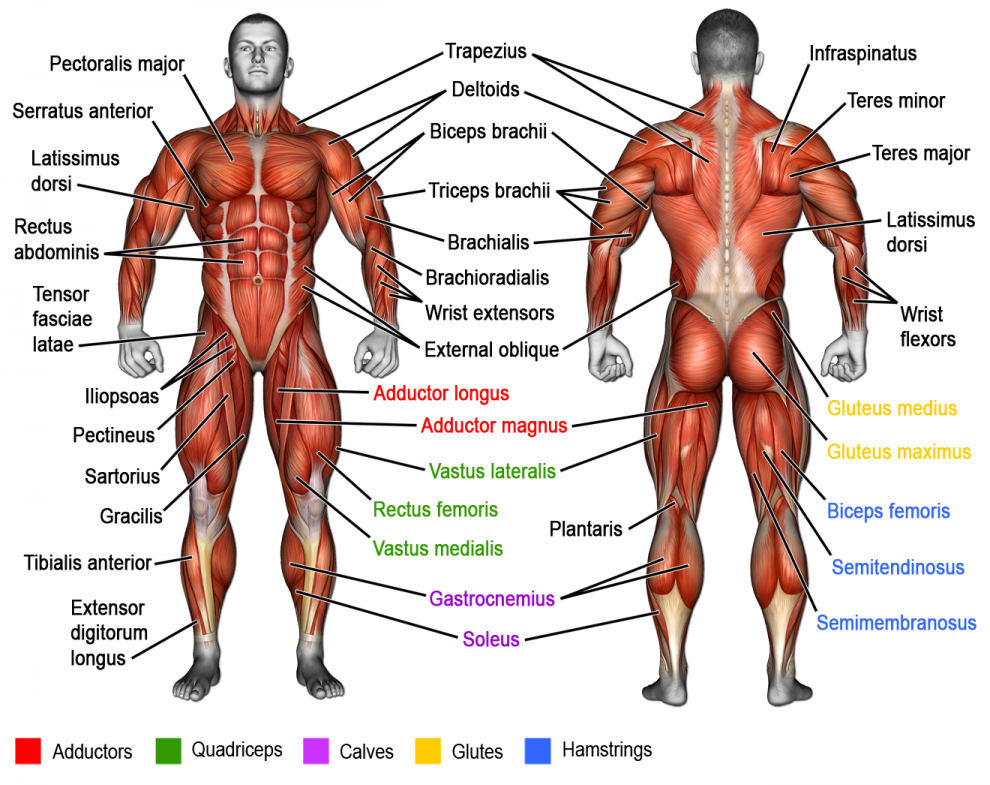
Muscular system
How many muscular system organs are there in the human body?
Skeletal muscle
Cardiac muscle
Smooth muscle
The number of muscles in our body varies from around 640 to 850. We have 3 types of muscles in our body: skeletal, visceral, and cardiac.
Human musculoskeletal system
Joints
Ligaments
Bursae
Musculoskeletal disorder
Muscle
Origin
Insertion
Artery
Nerve
Action
Antagonist
There are over 600 skeletal muscles within the typical human body. Almost every muscle constitutes one part of a pair of identical bilateral muscles, found on both sides, resulting in approximately 320 pairs of muscles, as presented in this article. Nevertheless, the exact number is difficult to define because different sources group muscles differently, e.g. regarding what is defined as different parts of a single muscle or as several muscles. Examples range from 640 to 850.
Can you name the muscular system organs in the human body?
Skeletal muscle
Cardiac muscle
Smooth muscle
List of skeletal muscles of the human body
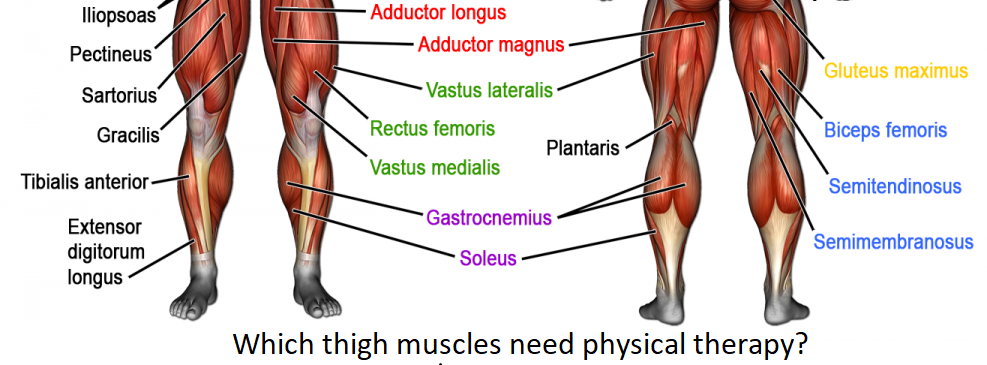
MUSCLES OF THIGH AND THE HIP STRUCTURE
MUSCLES OF THIGH AND THE HIP DIAGRAM
-
Reproductive System
How many female reproductive system organs are there in the female human body?
6
How many male reproductive system organs are there in the human body?
8
Can you name the female reproductive system organs in the female human body?
Internal reproductive organs
1.Ovaries/2 On Each Side
2.Fallopian tubes/2 On Each Side
3.Uterus
4.Vagina
External reproductive organs
5.Vulva
6.Clitoris
Female Breasts or Mammary.
Placenta of embryo is separate entity.
What are the features of the vulva of the female human body?
Vulva includes 19 features.
1.Bulb Of Vestibule
2.Clitoris
3.Greater Vestibular Glands
4.Labia Majora
5.Labia Minora
6.Lesser Vestibular Glands
7.Mons Pubis
8.Pubic Hair.
9.Pudendal Cleft
10.Sebaceous Glands
11.The Urogenital Triangle (anterior Part Of The Perineum)
12.Urinary Meatus
13.Vaginal Opening
14.Vulval Vestibulev
15.Precursor: Genital tubercle, urogenital folds
16.Artery: Internal pudendal artery
17.Vein: Internal pudendal veins
18.Nerve: Pudendal nerve
19.Lymph: Superficial inguinal lymph nodes
Can you name the male reproductive system organs in the human body?
Internal reproductive organs
1.Testes/2 On Each Side
2.Epididymis
3.Vas deferens
4.Seminal vesicles
5.Prostate
6.Bulbourethral glands
External reproductive organs
7.Penis
8.Scrotum
-
Respiratory System
How many respiratory system organs are there in the human body?
7
Can you name the respiratory system organs in the human body?
1.Nasal cavity
2.Pharynx
3.Larynx
4.Trachea
5.Bronchi
6.Lungs
7.Diaphragm
-
Skeletal System
How many skeletal system bones are there in the human body?
206
Can you name the skeletal system organs in the human body?
List of Bones in the Human Body
http://www.qureshiuniversity.org/humanbones.html
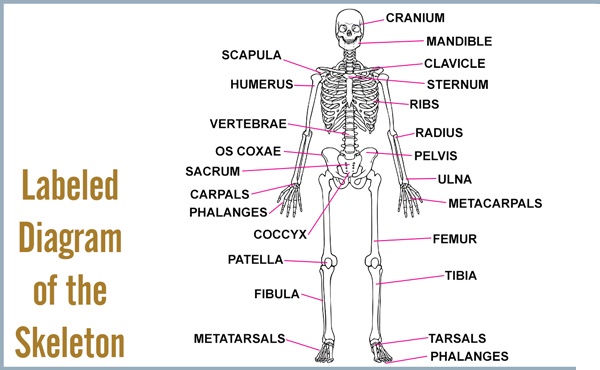
http://www.qureshiuniversity.org/human.html
-
Urinary system
How many urinary system organs are there in the human body?
4
Can you name the urinary system organs in the human body?
1.Kidneys/2 On Each Side
2.Ureters/2 On Each Side
3.Bladder
4.Urethra
|
Questions existing disability specialists should be ready to answer.
|
What should I know about you?
|
Where is the profile of the person?
What is the profile of the person?
What are other names for Functional Capacity Evaluation?
Is there a difference between medical emergency diagnosis treatment and disability determination diagnosis and treatment?
What abilities are evaluated relevant to age in a mature human?
Ideally, who should be a disability specialist?
Can a person determine human disability without properly knowing the diagnosis and treatment of medical conditions?
Would you like to nominate medical doctors to get educated as disability specialists?
What are the requirements to join this program?
What questions should a disability specialist be able to answer about a human disability?
Here are further guidelines.
|
|
Functional Capacity Evaluation (disability determination).
What are other names for Functional Capacity Evaluation?
Functional assessment relevant to age.
Disability determination
Is there a difference between medical emergency diagnosis treatment and disability determination diagnosis and treatment?
Yes.
What abilities are evaluated relevant to age in a mature human?
There are 24 such abilities.
This does not happen in one session; this is done in many sessions.
If an individual is able to reply to questions and write questions relevant to age in the English language, the individual does not have intellectual disability.
If an individual is able to reply to questions and write questions relevant to age in any other language that can be precisely translated to the English language, the individual does not have intellectual disability.
Ideally, who should be a disability specialist?
A medical doctor with advanced experience in diagnosis and treatment of medical conditions should be a disability specialist.
In some regions, people with experience in social work counseling, psychology, education, rehabilitation counseling, special education or related fields get involved in disability determination, diagnosis, and treatment.
Can a person determine human disability without properly knowing the diagnosis and treatment of medical conditions?
No, he or she cannot.
Would you like to nominate medical doctors to get educated as disability specialists?
What are the requirements to join this program?
Take a look at this.
http://www.qureshiuniversity.com/form_to_email_submit.html
He or she should have experience in diagnosis and treatment of medical conditions.
He or she should have good communication skills in the English language.
What questions should a disability specialist be able to answer about a human disability?
Here are important guidelines.
|
Patient Consultation
| |
Ideally, who should be a disability specialist?
| |
What should I know about you?
| |
Functional Capacity Evaluations
| |
Intellectual Disability
| |
Physical Medicine & Rehabilitation
| |
Rehabilitation Services
|
Disabilities
Babies & Toddlers
Some people are born with one. Others have them as a result of an illness or injury. Some people develop them as they age. Almost all of us will have a disability at some point in our lives.
(3 to 22)
Autism Spectrum Disorders
Deaf-blindness
Deafness
Developmental delay
Emotional disturbance
Hearing impairment
Intellectual disability (mental retardation)
Multiple disabilities
Orthopedic impairment
Other health impairment
Specific learning disability
Speech or language impairment
Traumatic brain injury
Visual impairment, including blindness
Disability & Education Laws
Here are further guidelines.
Listing of Impairments - Childhood Listings
The following sections provide medical criteria for the evaluation of impairments of children under age 18.
Growth Impairment
Intellectual disability (mental retardation)
Musculoskeletal System
Special Senses and Speech
Respiratory System
Cardiovascular System
Digestive System
Genitourinary Impairments
Hematological Disorders
Skin Disorders
Endocrine Disorders
Congenital Disorders that Affect Multiple Body Systems
Neurological
Mental Disorders
Malignant Neoplastic Diseases
Immune System Disorders
|
Listing of Impairments - Adult Listings
The following sections are applicable to individuals age 18 and over and to children under age 18 where criteria are appropriate.
1
Musculoskeletal System
2
Special Senses and Speech
3
Respiratory System
4
Cardiovascular System
5
Digestive System
6
Genitourinary Impairments
7
Hematological Disorders
8.00
Skin Disorders
9
Endocrine Disorders
10
Congenital Disorders that Affect Multiple Body Systems
11
Neurological
12
Mental Disorders
13
Malignant Neoplastic Diseases
14
Immune System Disorders
|
|